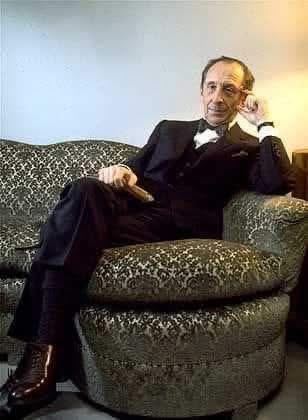
Furniture ghastly tho
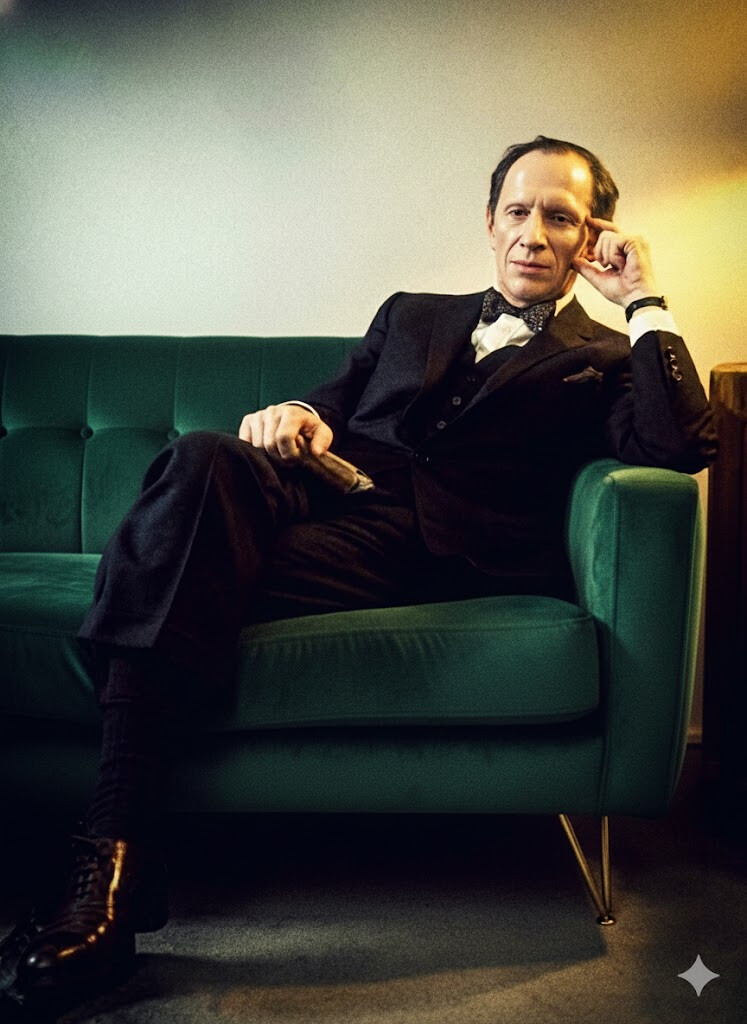
Became hetero LMAO
Ended up looking like james woods and robert blake had a baby. (possible btw)
Looking Germanic AF
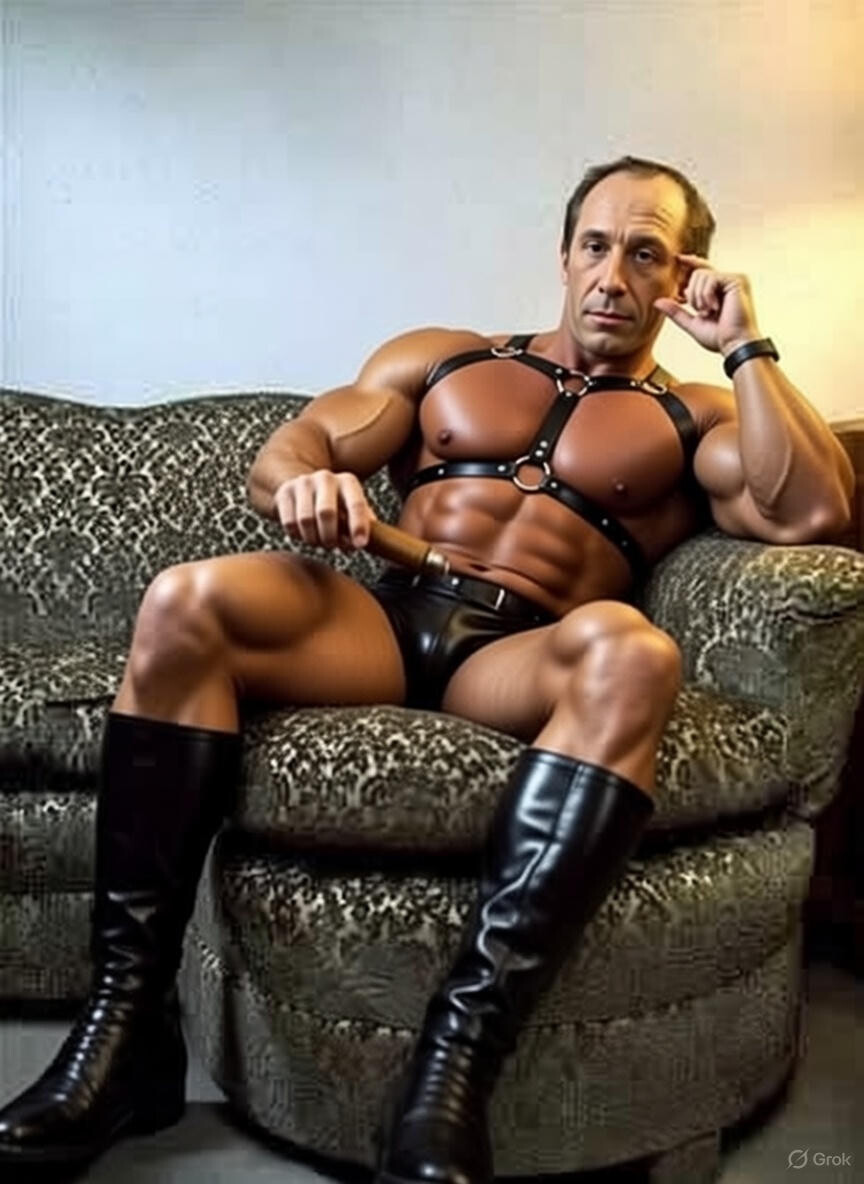
Oh come on
You know damn well I’m on no fap
Is dat wanda?
ic
Vladimir Horowitz Expelled from Odessa: The Twink Controversy that Rocked the Classical Music World
Opening Paragraph:
In a shocking twist of history, newly uncovered letters reveal that legendary pianist Vladimir Horowitz was expelled from Odessa amid a scandal that revolved around his identity as a “twink”—a term synonymous with youthful, effeminate charm in the LGBTQ+ community. This sensational revelation not only sheds light on the struggles that Horowitz faced early in his illustrious career, but also opens a Pandora’s box regarding societal attitudes towards sexuality and artistic expression in the early 20th century.
Relevant Facts and Details:
Born in 1903 in a small house in a Jewish neighborhood of Odessa, Horowitz demonstrated prodigious talent from an early age, earning accolades as a child prodigy. However, his ascent to the pinnacle of the classical music world was marred by personal struggles, particularly in the context of his sexual identity. Newly surfaced documents, including letters from his contemporaries and members of the Odessa cultural elite, suggest that Horowitz’s flamboyant personality and lifestyle choices led to friction with conservative factions within the community.
Historian Dr. Elena Kowalski, who specializes in Eastern European cultural movements, states, “The expulsion of Horowitz illustrates the deep-seated prejudices of the time. While he was a brilliant musician, his persona clashed with the prevailing norms in a society that had little tolerance for diversity.” This clash resulted in Horowitz’s abrupt departure from Odessa at the tender age of 18.
Quotes or Statements from Relevant Sources:
Music critic and biographer, Michael Andrews, remarked, “Horowitz was never one to shy away from the spotlight, and his unique style was as much a part of his music as the notes he played. It’s tragic that he faced such hostility from his own community.” Andrews noted that the young pianist’s talent was overshadowed by societal pressures that demanded conformity.
Further complicating the narrative, a letter penned by a prominent Odessa music patron, Georgi Petrov, laments the expulsion: “Vladimir was an artist whose brilliance could have illuminated the world of classical music. Instead, he was cast out for being different. Our city lost a genius, and our culture suffered as a result.”
It was rumored that he had had a liaison with an older actor in Leningrad and that he spent time with a group of effete poets and artists who took drugs. It was also said that on more than one occasion the family of his friend Simon

had to pull him from sailor bars in Odessa.
Balanced Perspective:
While some may argue that Horowitz’s departure was a necessary byproduct of the times, others view it as a glaring example of intolerance that stifled creativity. Supporters of Horowitz argue that the music community should have embraced his individuality rather than ostracizing him for it. They contend that the repercussions of his expulsion not only impacted his personal life but also the evolution of classical music itself.
Conversely, there are those who believe that Horowitz’s flamboyance was too much for the conservative circles in Odessa, suggesting that he could have muted his persona to gain acceptance. However, this argument raises the question: Should an artist ever have to compromise their identity to fit into societal expectations?
Strong Conclusion:
Vladimir Horowitz’s tumultuous expulsion from Odessa serves as a poignant reminder of the battles between artistic expression and social conformity. As the classical music community continues to evolve, it’s vital to reflect on the past to ensure that no artist is ever again silenced or expelled for simply being themselves. Ultimately, the legacy of Horowitz transcends the circumstances of his departure; it lies in his extraordinary ability to convey emotion through piano, creating a universal language that continues to resonate with audiences around the world. His story, now revisited through the lens of identity and acceptance, is not merely one of exile but a rallying call for inclusivity in the arts, illuminating the profound connection between personal truth and creative genius.
great reporting might receive job offer from norman
Yo there actually was a brief window around 1917-1924 when all that gay stuff was more accepted in Russia and den Stalin came in and started sending gays to the Gulag for being gay
So Horowitz did see sum of da ghey acceptance sheeyat early on!
After the October Revolution of 1917, homosexuality was decriminalised in Soviet Russia with the repeal of the legal code of the Russian Empire, and this decriminalisation was confirmed with new criminal codes in 1922 and 1926. Under Joseph Stalin, the Soviet government reversed course in the late 1920s and promoted harsher policy against LGBTQ rights. In 1933, homosexuality was recriminalised in the Soviet Union, and Article 121, which prohibited male homosexuality, was added to the Soviet penal code in the following year
Yepppp
Stalin’s moustache Village People level gay.


Stalin an FTM cuck for sure
I don’t think he was gay.
Lmao
I can’t wait until Google AI uses this site as a source and quotes this
And den someone writing deir dissertation on Twinkilogy studies at NYU will cite it
That far in the future the bios postulate he was actually straight cuz more scandalous.
NYU tuition 500k a year by then HAHAHAHA
HAHAHAHAHAHAHA
FUYCK